Learning Paths
Work your way through a structured learning path

Introduction to Ethical Hacking
Learn the core skills required to start a career in cyber security.
Easy
Ransomware Attacks
Understanding the mechanisms of ransomware and techniques to mitigate them. Analyzing recent high-profile ransomware incidents.
Intermediate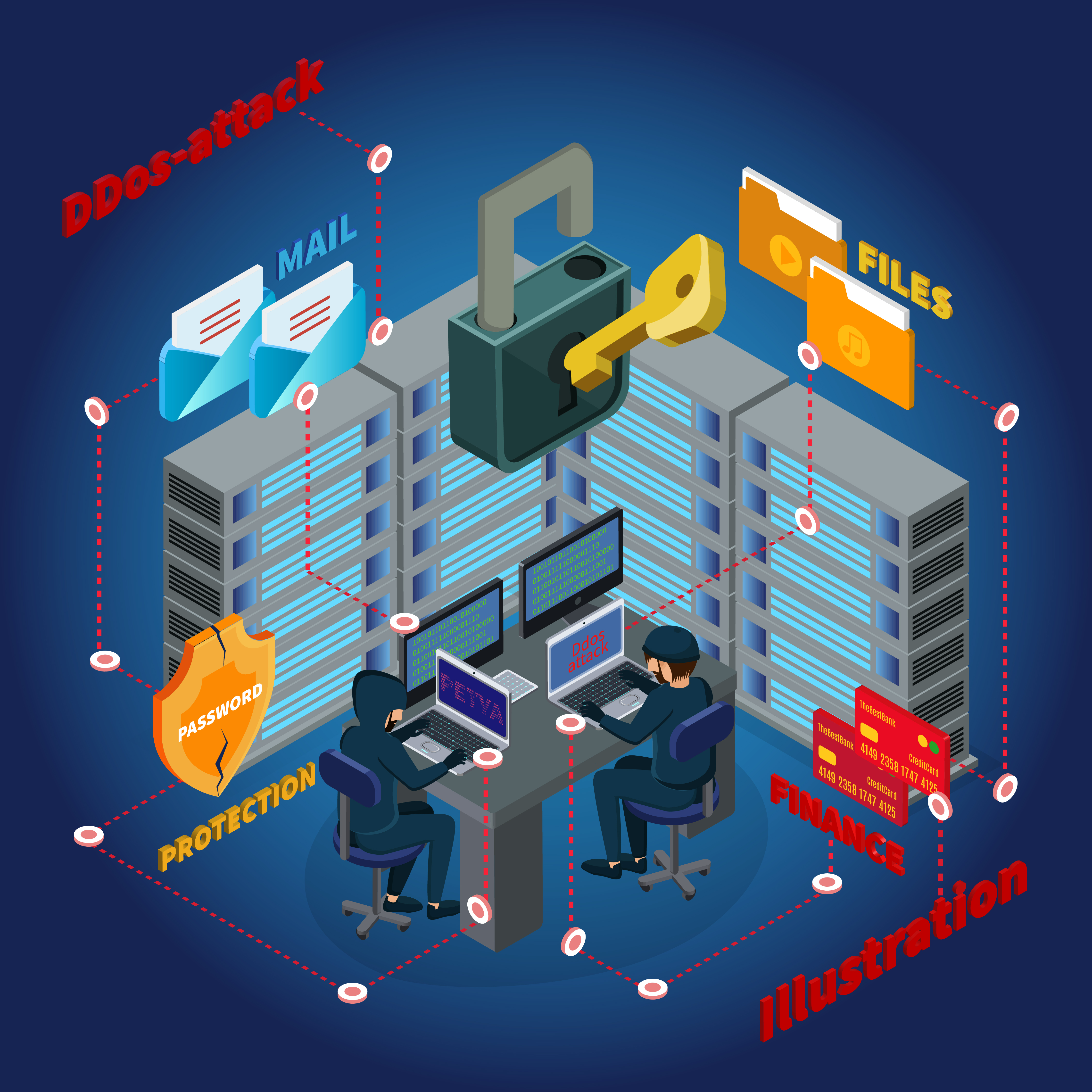
Supply Chain Attacks
Exploring how attackers compromise third-party vendors to infiltrate larger organizations. Case studies on incidents like SolarWinds.
Easy
Cloud Security Vulnerabilities
Examining misconfigurations in cloud services (e.g., AWS, Azure). Addressing data breaches and securing cloud environments.
Easy
Zero Trust Architecture
Implementing and testing zero trust principles in organizational networks. Understanding the importance of identity verification.
Intermediate
IoT and IIoT Security
Exploring vulnerabilities in Internet of Things (IoT) devices and Industrial IoT (IIoT). Strategies for securing connected devices.
Intermediate
Social Engineering and Phishing
Trends in social engineering tactics, including deepfakes and vishing (voice phishing). Training programs to raise awareness among employees.
Easy
Machine Learning and AI in Hacking
Utilizing AI for both offensive and defensive purposes. Understanding how machine learning can enhance threat detection.
Advanced
Cryptocurrency and Blockchain Security
Analyzing vulnerabilities in cryptocurrency exchanges and wallets. Exploring smart contract security and common exploits.
Intermediate
Privacy Concerns and Data Protection
Trends in data breaches and implications for privacy regulations (e.g., GDPR, CCPA). Techniques for securing sensitive data.
Advanced
Mobile Security Threats
Examining vulnerabilities in mobile applications and operating systems. Addressing risks from mobile malware and insecure app development.
Advanced
DevSecOps
Integrating security practices into the DevOps pipeline. Tools and techniques for automated security testing.
Advanced
Advanced Persistent Threats (APTs)
Identifying tactics, techniques, and procedures (TTPs) used by APT groups. Case studies of recent APT attacks.
Advanced
Cybersecurity Regulations and Compliance
Understanding the impact of new regulations on cybersecurity practices. Preparing organizations for compliance audits.
Advanced
Remote Work Security Challenges
Addressing vulnerabilities associated with remote work environments. Best practices for securing remote access and endpoints.
Advanced
Threat Hunting
Techniques for proactively searching for threats within networks. Tools and frameworks for effective threat hunting.
Advanced
Bug Bounty Programs
Understanding the potential implications of quantum computing on encryption. Preparing for a future where quantum attacks could compromise current security measures.
Advanced
Quantum Computing Threats
Understanding the potential implications of quantum computing on encryption. Preparing for a future where quantum attacks could compromise current security measures.
Advanced
Digital Forensics and Incident Response
Trends in forensic tools and methodologies. Importance of rapid incident response planning.
Advanced
Web Application Security
Exploring OWASP Top Ten vulnerabilities and their mitigation. Techniques for securing APIs and microservices.
AdvancedEnroll and Pay now to start learning
Log in to add courses and enroll.